



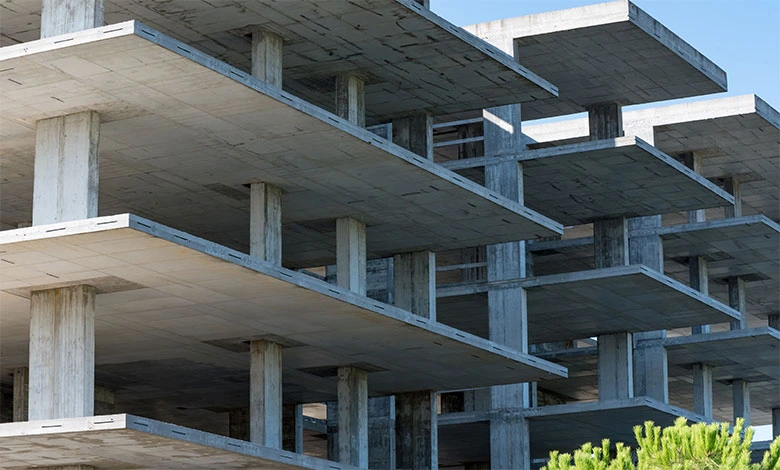
Concrete is the core material of most modern structures—from residential buildings to bridges and major infrastructure projects.
What many people overlook is that concrete quality does not only affect construction speed or appearance, but plays a critical role in the structural lifespan, safety, and long-term maintenance costs of buildings.
In this article, we explain how concrete quality directly impacts structural durability and why investing in high-quality concrete is a strategic decision for any construction project.
🧱 1. Concrete Mix Quality Is the Foundation of Durability
Concrete quality starts with proper mix design.
Accurate proportions of cement, aggregates, water, and chemical admixtures are essential to achieve consistent compressive strength.
Any imbalance in these ratios can lead to:
- Reduced concrete strength
- Early cracking
- Weak bonding with steel reinforcement
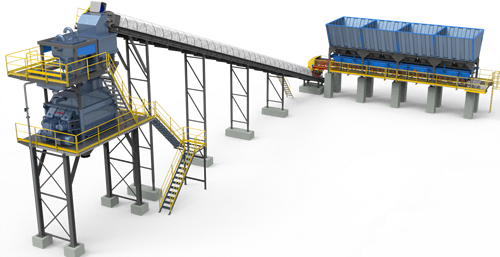
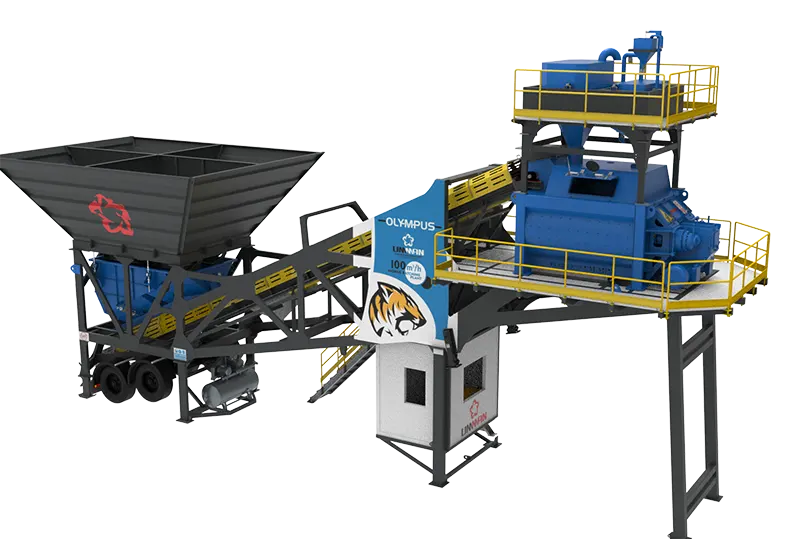
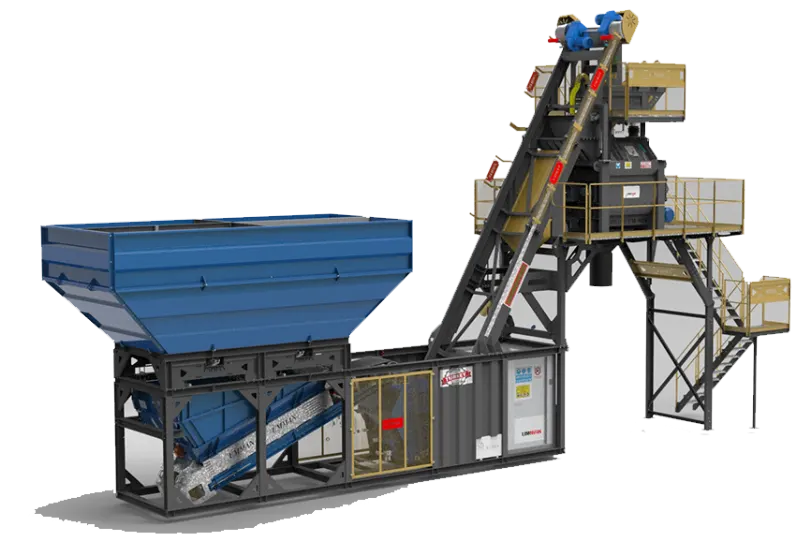
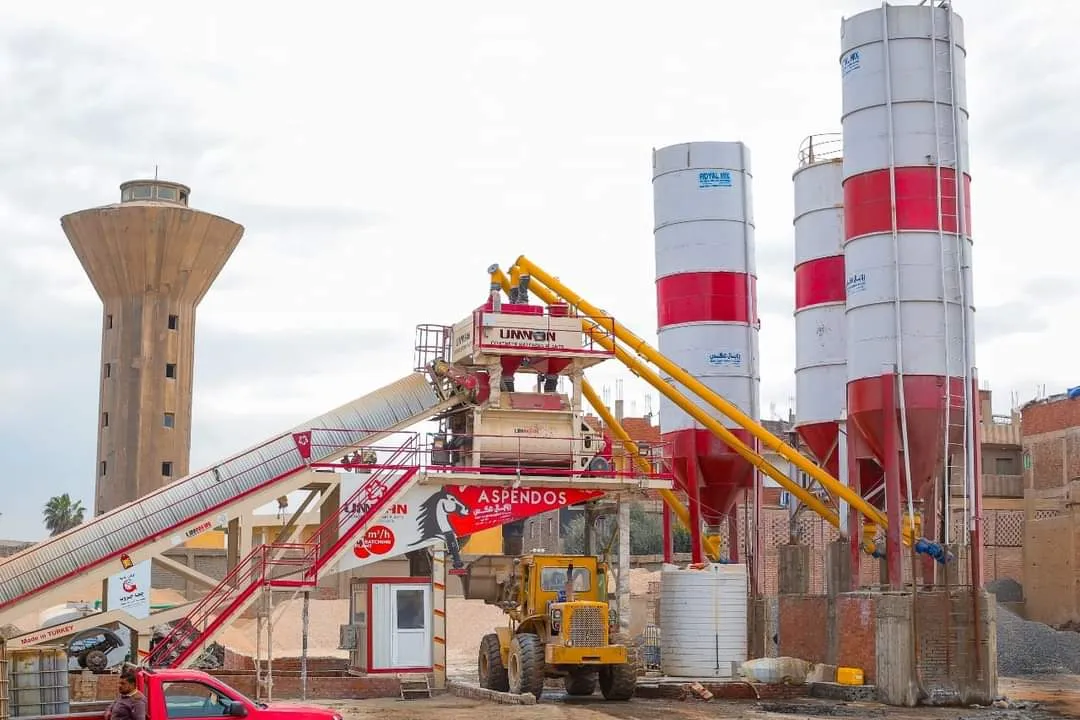
Modern concrete batching plants—such as UMMAN MAK plants—use precise weighing and dosing systems to ensure consistent, high-quality concrete in every batch
⚙️ 2. Mixing Quality Determines Concrete Homogeneity
Even with a correct mix design, mixing efficiency is crucial.
Poor mixing creates weak zones within the concrete, increasing the risk of:
- Honeycombing
- Segregation
- Long-term deterioration
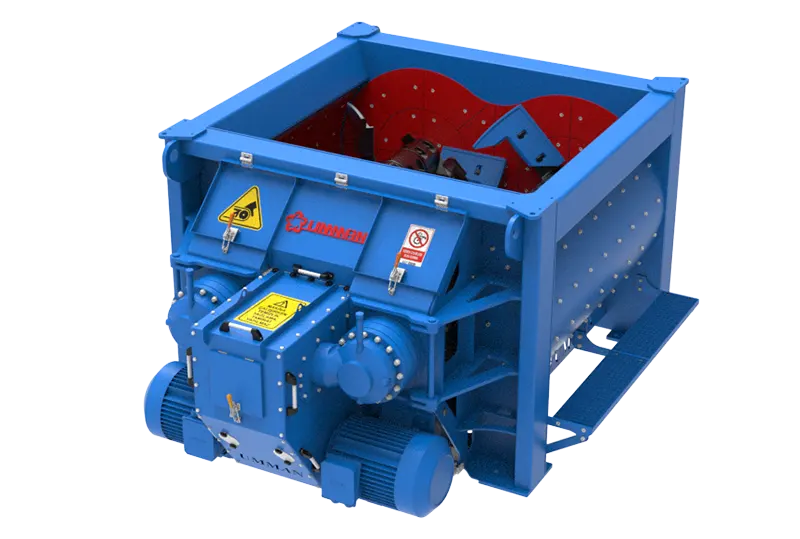
UMMAN MAK utilizes high-performance mixers (such as Twin Shaft Mixers) that ensure fast, uniform mixing—resulting in stronger, more durable concrete.
🛠️ 3. Precise Control Reduces Construction Defects
One of the main reasons for structural degradation is errors during concrete production, including:
- Excess or insufficient water
- Incorrect mixing time
- Lack of process control
Advanced PLC & SCADA automation systems in UMMAN MAK batching plants allow:
- Continuous monitoring of each production stage
- Reduced human error
- Full data tracking and quality assurance
This level of control significantly minimizes construction defects that shorten building lifespan.
🌡️ 4. Concrete Quality and Resistance to Environmental Conditions
Buildings are exposed to harsh environmental factors such as:
- High temperatures
- Humidity
- Salts and chemical exposure
- Continuous structural loads
High-quality concrete offers greater resistance to these conditions, reducing cracking, corrosion, and structural deterioration—thus preserving building integrity for decades.
This highlights the importance of selecting a concrete batching plant capable of producing consistent-quality concrete, even in demanding environments.
💰 5. Better Concrete Means Lower Maintenance and Longer Lifespan
While high-quality concrete may have a slightly higher initial cost, it delivers substantial long-term benefits:
- Reduced maintenance and repair costs
- Extended building lifespan
- Improved safety and structural reliability
In short, quality is not an extra cost—it is a long-term investment.
🏁 Conclusion
Concrete quality has a direct impact on:
- Structural durability
- User safety
- Operational and maintenance costs
- Overall lifespan of buildings
For this reason, choosing a reliable and technologically advanced concrete batching plant—such as UMMAN MAK—is a critical step in delivering long-lasting, high-quality construction projects.
✨ UMMAN MAK Message:
At UMMAN MAK, we don’t just manufacture concrete batching plants—
we deliver engineering solutions that ensure concrete quality and build a safer, more sustainable future.
Benzer Yazılar
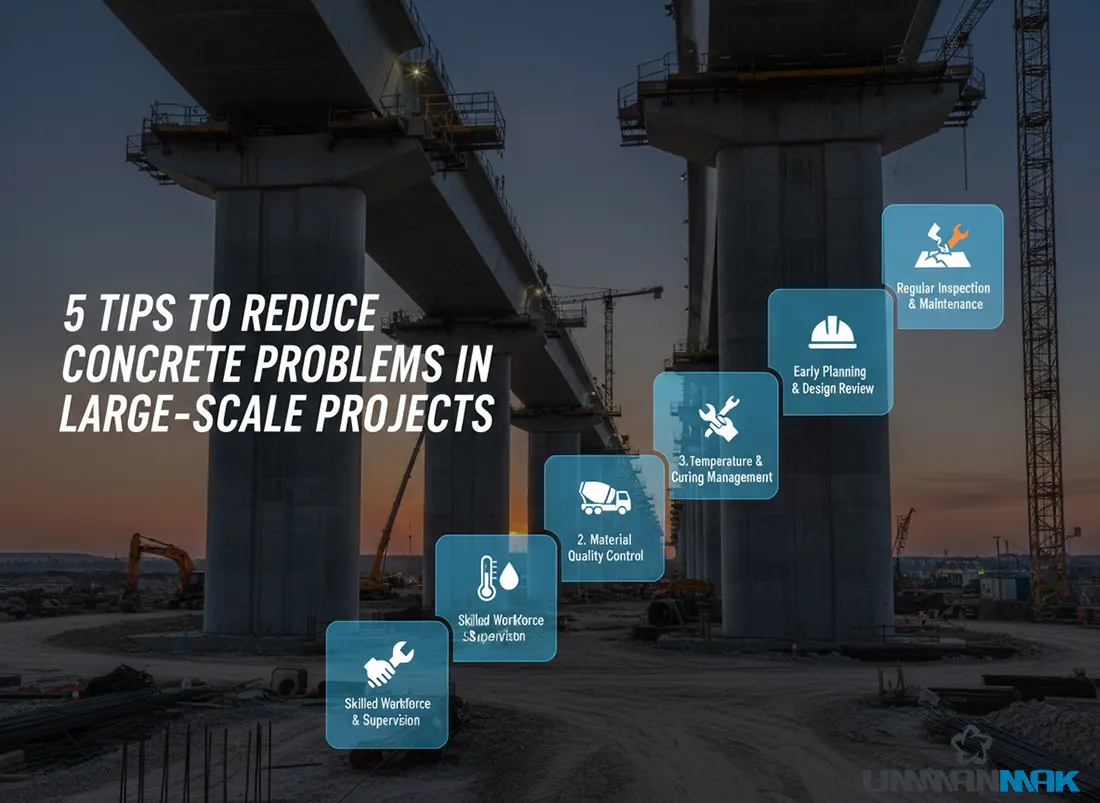
5 Tips to Reduce Concrete Problems in Large-Scale Projects
Concrete is a fundamental element in large construction projects such as infrastructure works, bridges, and…
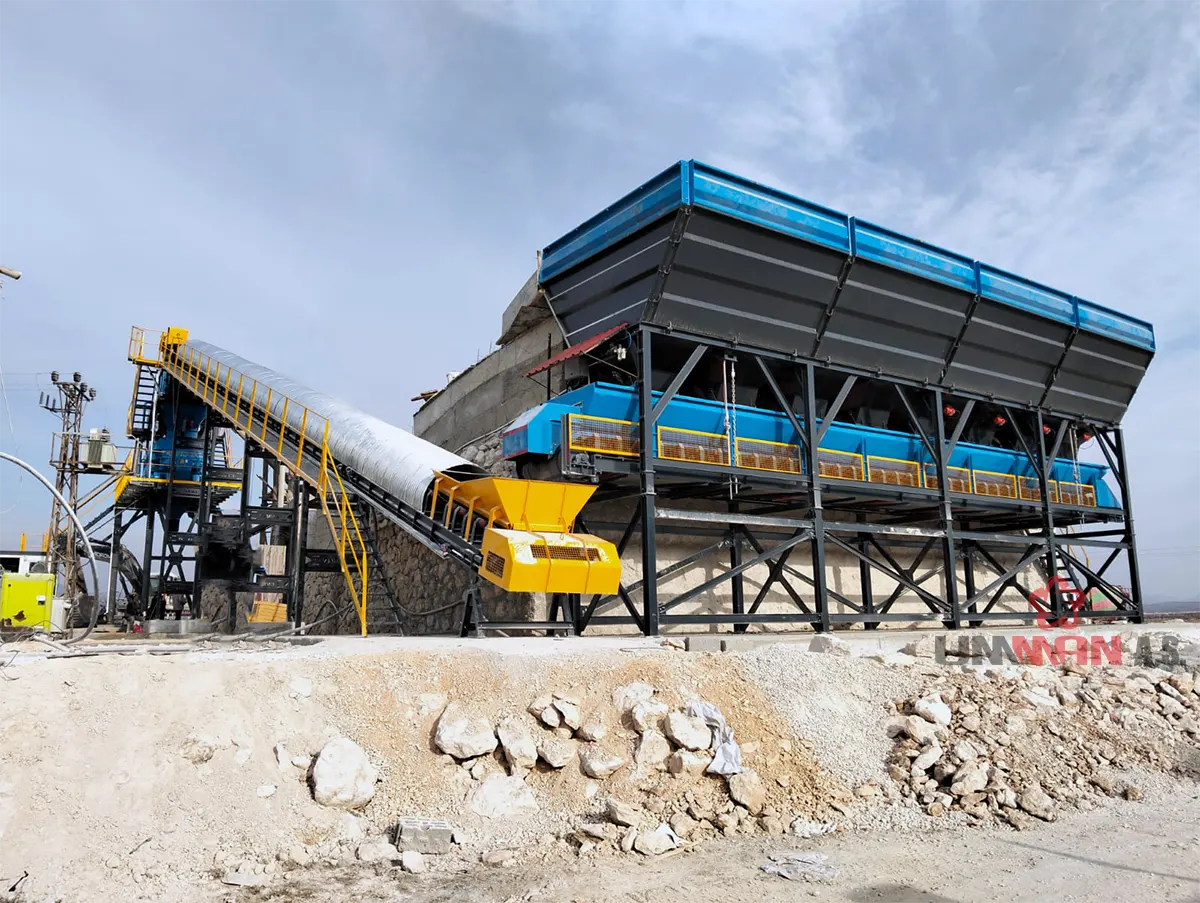
How to Choose the Right Concrete Batching Plant for Your Project? A Step-by-Step Practical Guide
Introduction Choosing the right concrete batching plant is one of the most critical decisions that…
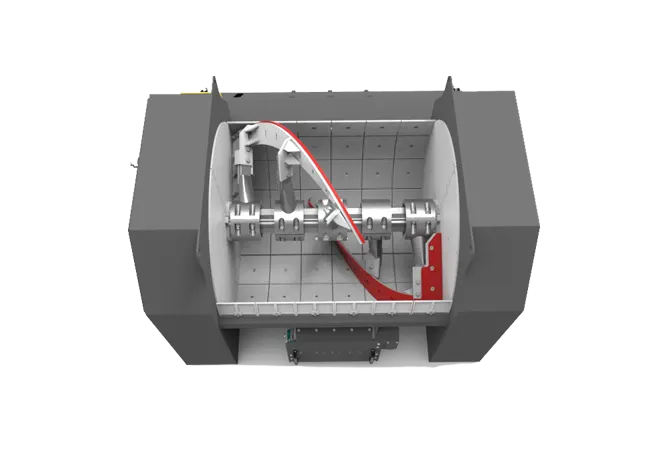
Concrete Batching Mixer Types
Concrete batching mixers play an important role in the construction industry. In this article, we will…
How Does a Concrete Batching Plant Work?
Concrete Plant Working System, How Does a Concrete Plant Work? Concrete batching and mixing equipment…